2026-10-17 ·
Roof Inspection Tips After Hail and Windstorms in Dubuque, IA
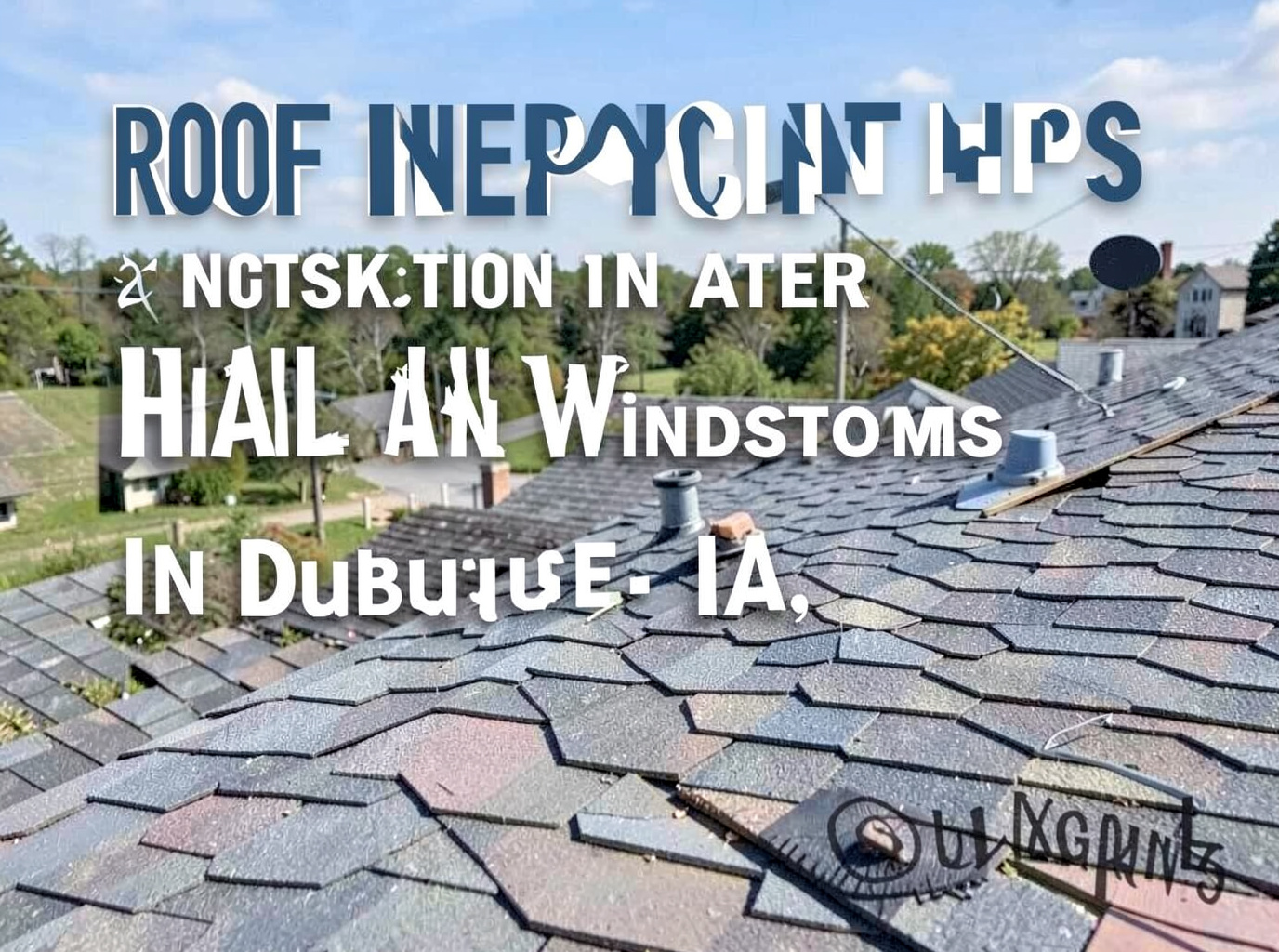
After hail and windstorms in Dubuque, IA, begin roof inspections by examining asphalt shingles for granule loss, dents, and cracked edges while checking attic spaces for daylight leaks or insulation displacement, as these steps reveal storm impacts quickly in the area's older housing stock.
Spotting Hail Damage on Local Roofs
Hail strikes often affect homes in the Historic Millwork District and North End where mature trees provide limited protection. Look for circular soft spots on shingles that feel spongy underfoot and missing granules that expose the mat beneath. In Dubuque's warm summers following storms, these exposed areas accelerate UV degradation. Walk the perimeter and use binoculars on steeper pitches common in South End properties to avoid missing hits on ridges. Document every mark with photos before any repair decisions.
Evaluating Wind Damage in Dubuque Neighborhoods
Wind events lift shingles along eaves and ridges, especially on homes near the Mississippi River in Downtown Dubuque where gusts funnel through the valley. Check for lifted or missing shingles, exposed nail heads, and bent flashing around chimneys and vents. Older homes in the Cathedral District frequently show torn underlayment after sustained winds. Inspect gutters for debris that indicates lifted materials and examine soffits for separation that allows water entry during subsequent rains.
Interior and Attic Checks After Storms
Move inside to scan ceilings and walls for water stains that may appear days later in humid conditions. In attics, shine a light across rafters to spot displaced insulation or wet spots near penetrations. Homes in Fenelon Hill and Table Mound often have steep pitches that channel wind-driven rain under shingles. Note any musty odors signaling trapped moisture that cold winters could turn into ice issues later. Roof Inspection After A Storm provides a structured approach tailored to these local patterns.
When to Call for Professional Assessment
Schedule a full evaluation if you find more than a handful of damaged shingles or any attic moisture, particularly after storms that also hit nearby Cedar Rapids. Hail Damage Roof Repair and Wind Damage Roof Repair address targeted fixes common in Dubuque County. Avoid temporary patches on homes over 20 years old in the Point area where layered roofs complicate inspections. Early detection prevents escalation during the freeze-thaw cycles typical here.
Seasonal Timing and Follow-Up in Dubuque
Perform inspections within 48 hours when possible, before summer rains or winter snow load compound issues. Revisit the roof after the first hard freeze to check for new cracks in previously impacted areas. Properties near Eagle Point Park face extra wind exposure that warrants extra attention to ridge vents. When to Repair vs. Replace Your Roof in Dubuque, IA outlines decision factors based on storm severity and roof age observed across South Dubuque and Asbury.